Introducing Pulse Surveys: Insights That Move Creative Decisions Forward
Grow Progress’ newest research product offers fast, evidence-backed guidance that keeps creative workflows moving.
Marketing and communications teams move faster than traditional research can keep up with. Even with ongoing research, daily creative decisions must be made that can’t fit into a six-week research cycle.
Usually, this means choosing between waiting, which can kill momentum and creativity, and making an educated guess, which risks investments and support. Pulse Surveys help you move forward quickly with evidence in between larger research projects.
How it Works
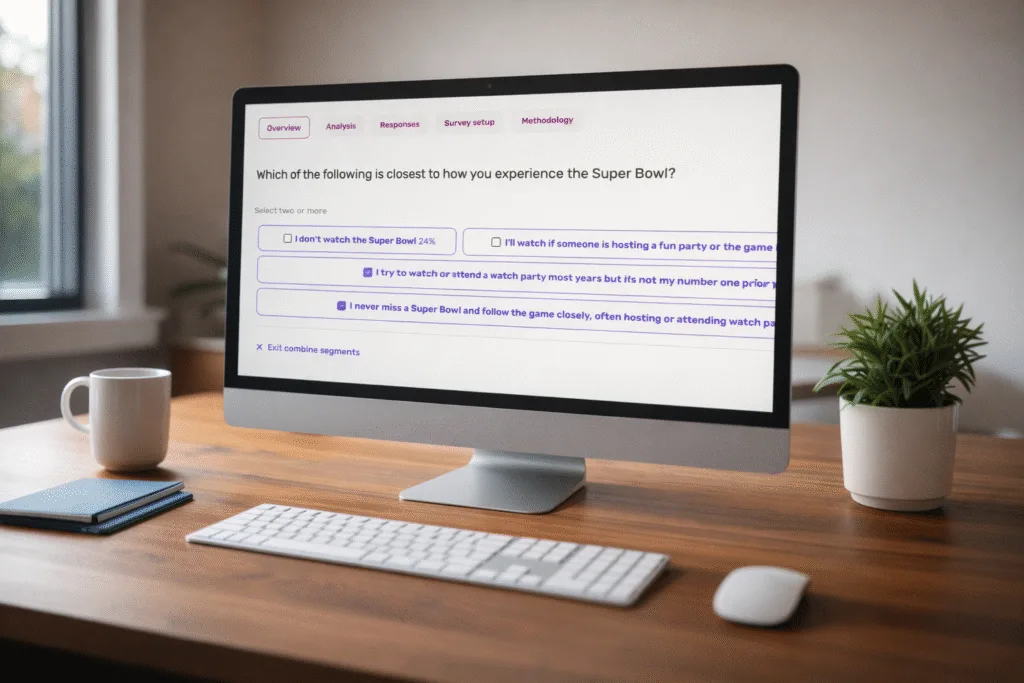
Pulse Surveys give teams fast-turn results without the complexity of traditional research or the questionable data and manual lift of DIY tools.
Straightforward survey designs with up to five custom questions and built-in targeting, Pulse Surveys are a lightweight tool that offers actionable insights and professional methodological rigor at DIY speed and usability.
With Pulse Surveys, teams no longer have to wait weeks to:
- Understand audience sentiment about a topic, brand moment, or cultural event
- Check awareness or familiarity with a brand or product
- Reveal real-world behaviors and habits that shape intent or perception
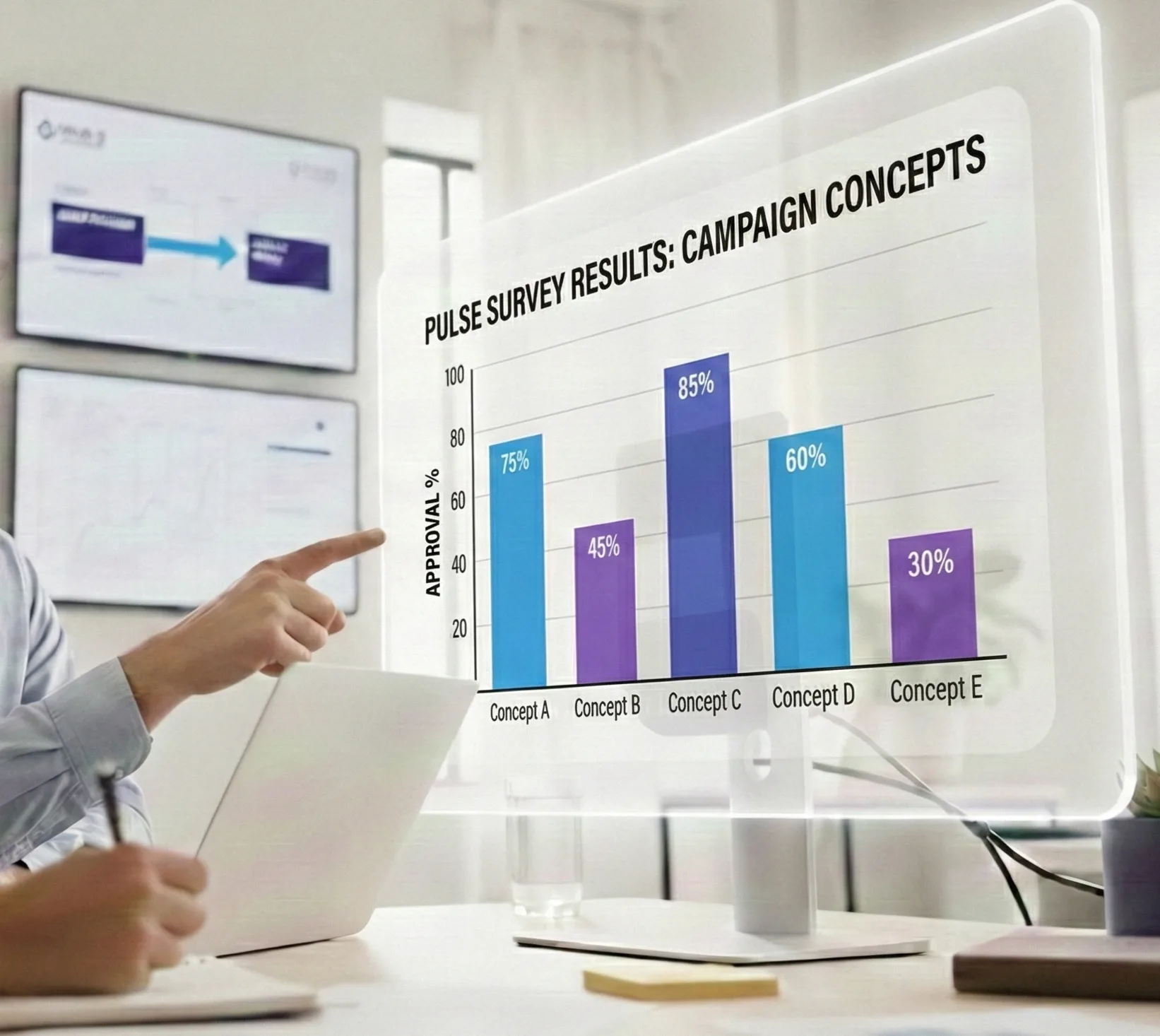
- Rank preferences across naming, taglines, visuals, concepts, or product variants
Now, when a question arises mid-campaign or a creative element needs to be quickly tested, Pulse Surveys can provide answers in as little as 24 hours.
No more waiting. No more guessing. Just rapid, actionable insights. Want to build more brilliant campaigns centered on actionable insights on your audience? Let’s chat about how Grow Progress and Pulse Surveys fit into your research toolkit.
Pulse Survey Case Study: Importance of Brand Trust
To showcase the new functionality, we launched a Pulse Survey to over 1,000 people to learn more about brand trust.
We asked whether people believe brand trust is important, whether they would pay more to purchase from a trusted brand, what increases and decreases brand trust, and whether they feel most brands are trustworthy.
Importance of Brand Trust
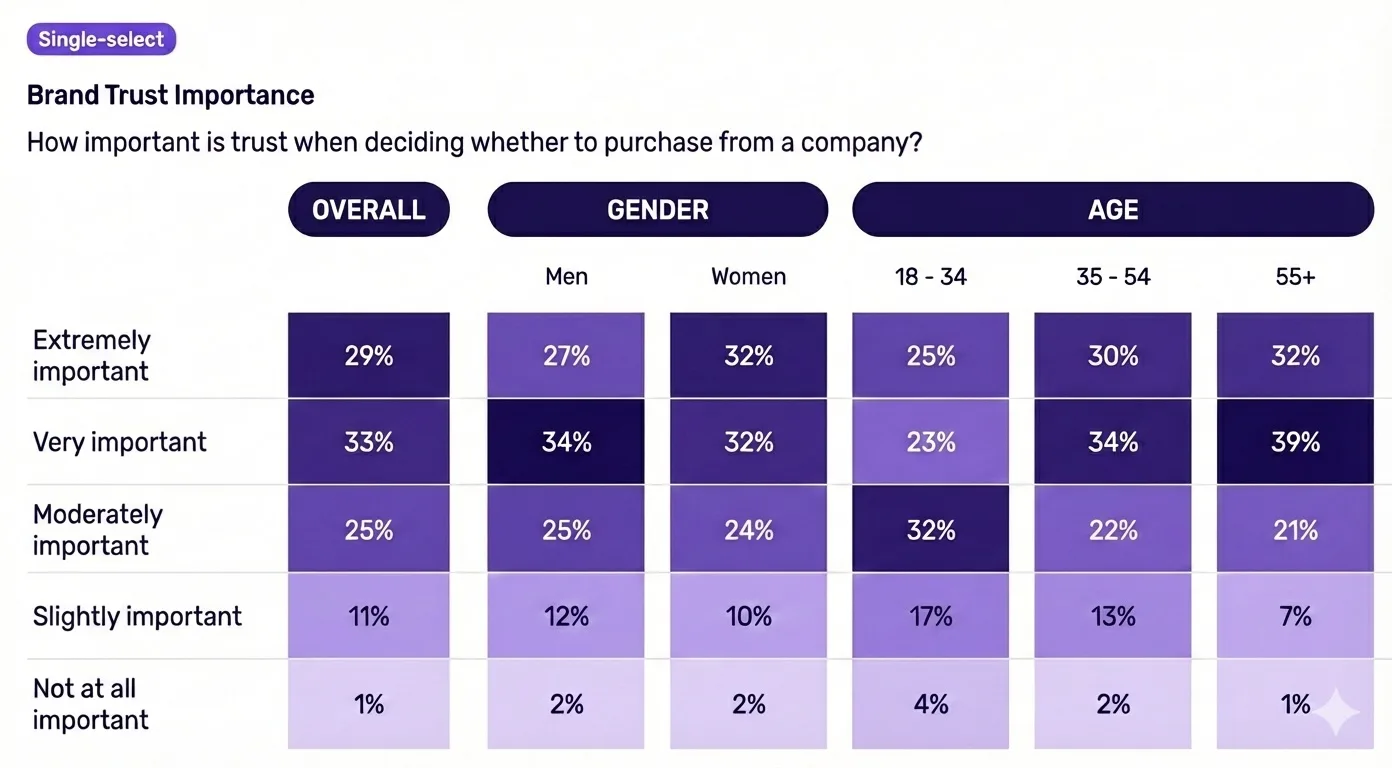
Overall, 62% of respondents replied that brand trust is very or extremely important to them.
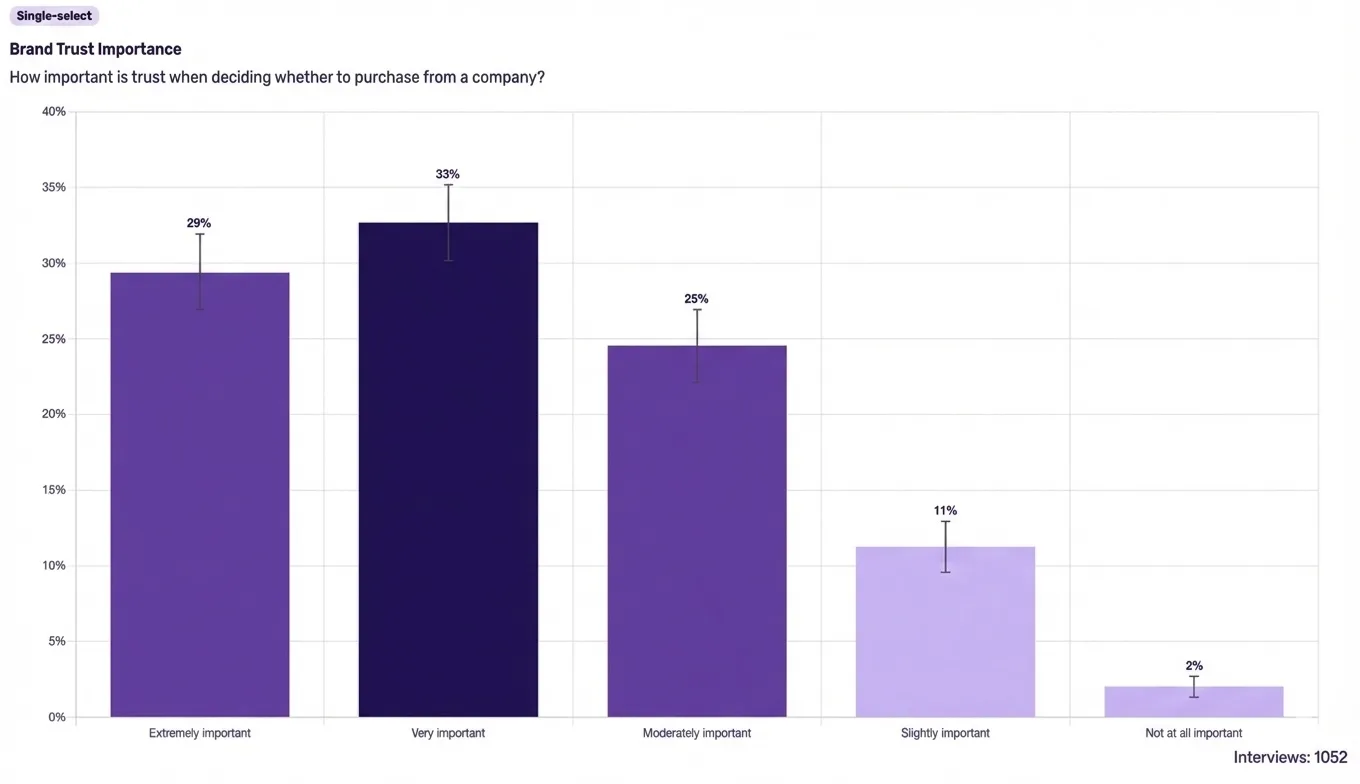
However, it is less important to people aged 18-34 than to older people. Only 25% of 18-34-year-olds said brand trust was extremely important, compared with 30% of 35-54-year-olds and 32% of people over 55.
This distinction is even higher in the “Very Important” segment.
Likelihood to Pay More From Trusted Brands
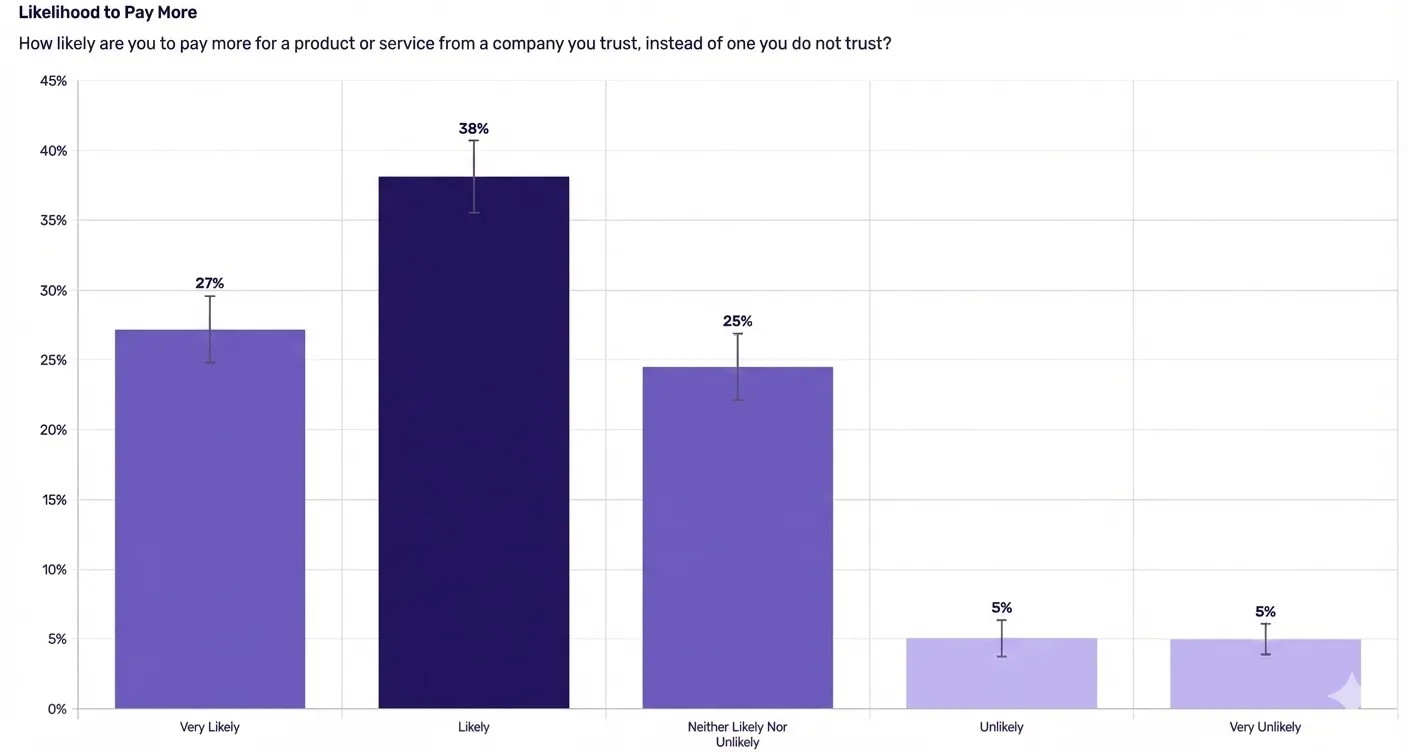
When we asked how likely respondents are to pay more for a product or service, 65% said they were either likely or very likely. In contrast, only 10% said they were unlikely or very unlikely.
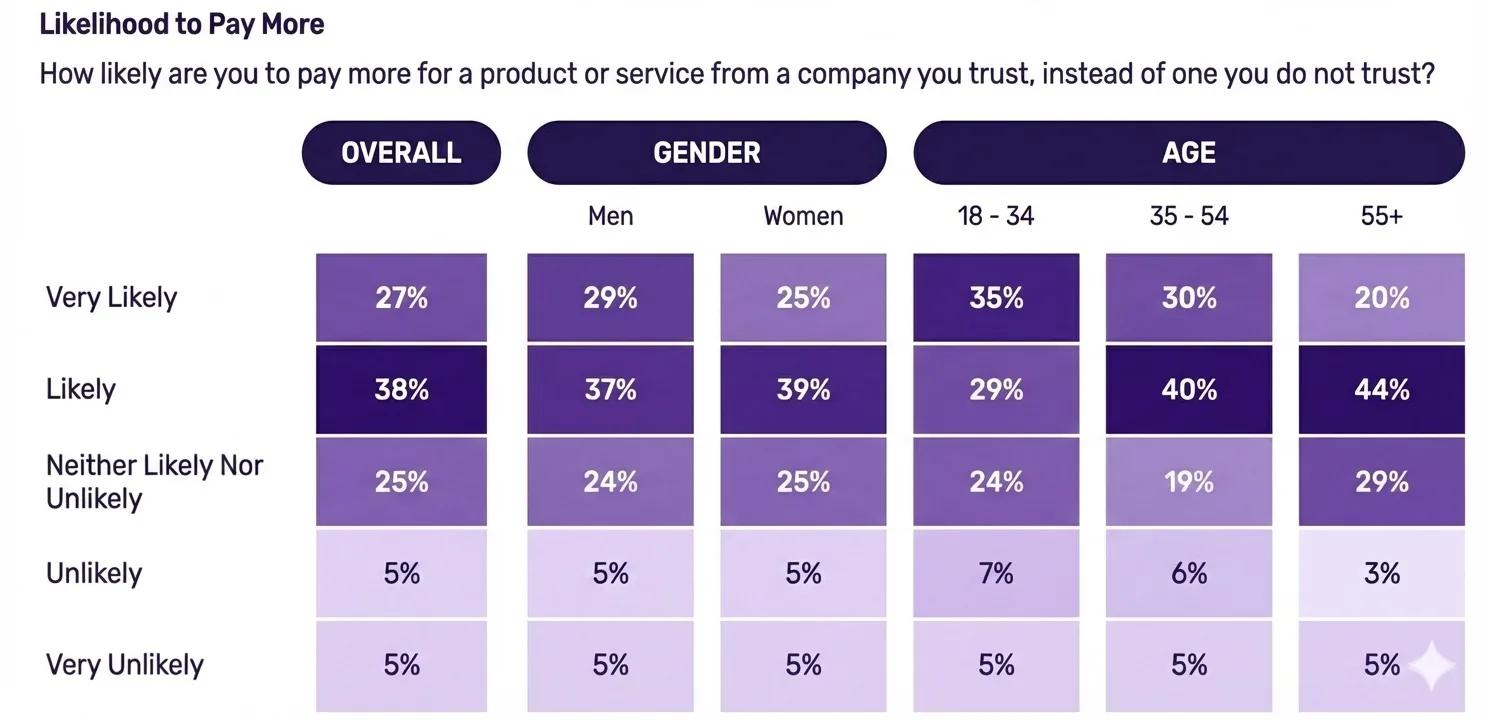
Once more, we see a difference in this sentiment amongst different age groups. Younger respondents are more likely to say they’ll pay more for a product or service from a company they trust (35% say very likely), while this drops to 30% among 35-54-year-olds and to just 20% of people 55 and over.
However, we also see that parents and people with higher incomes are more likely to pay more, though the difference is smaller than when comparing age groups.
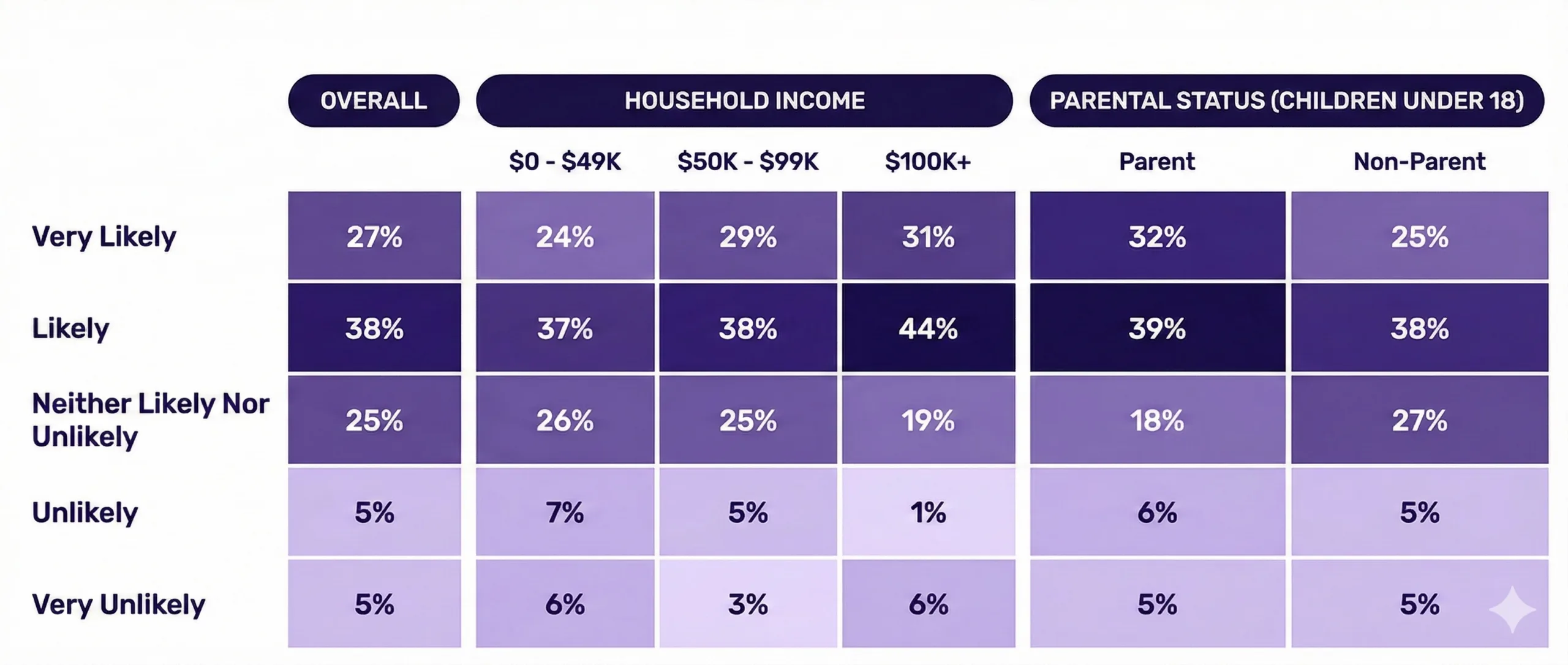
There is only 7% difference between those making $0-$49k a year (24% very likely) and those making more than $100k (31% very likely), and between parents (32%) and non-parents (25%).
What Increases and Decreases Brand Trust
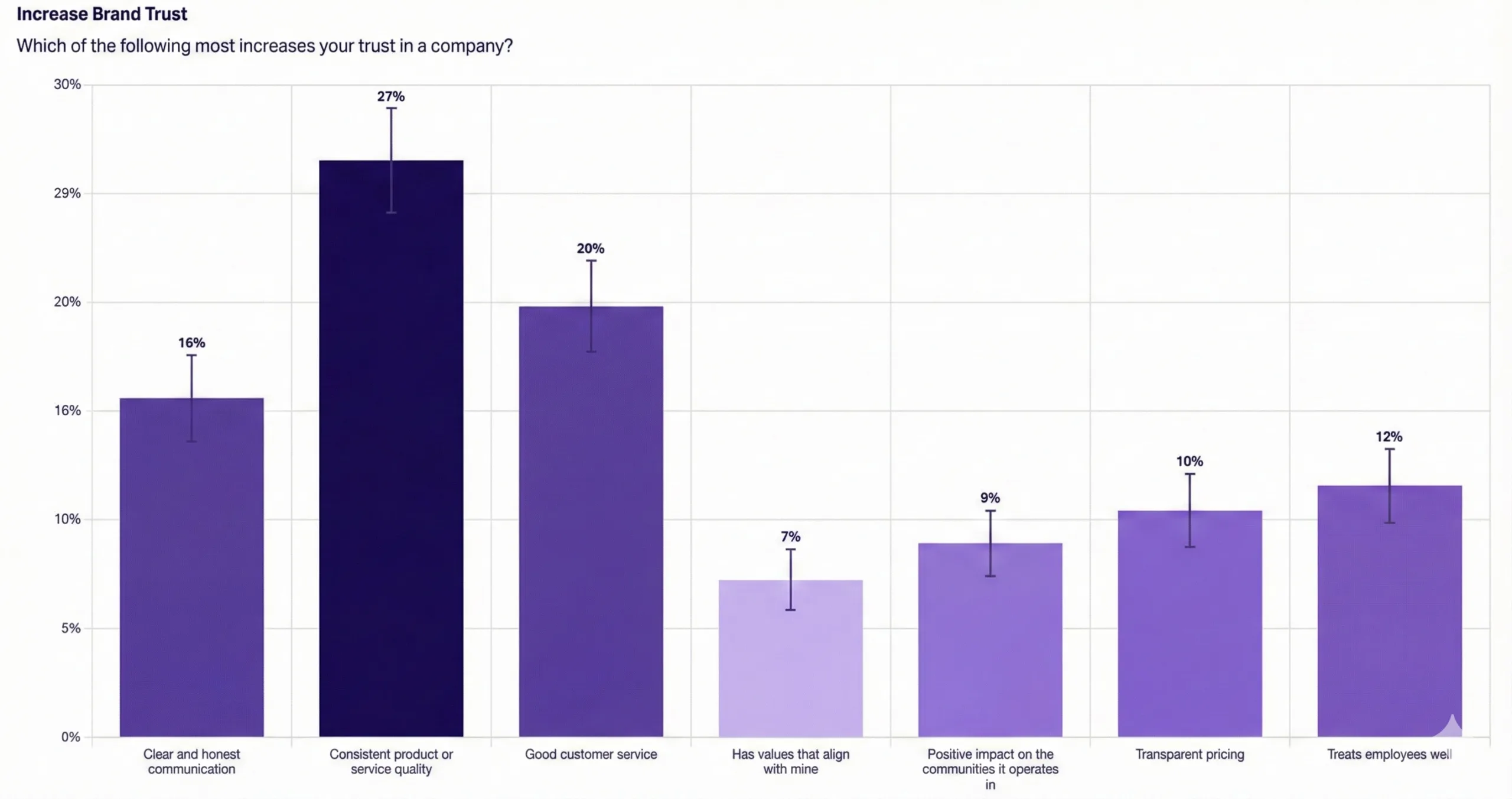
The top three attributes that increase brand trust are:
- Consistent product or service quality (27%)
- Good customer service (20%)
- Clear and honest communication (16%)
The three attributes that decrease brand trust the most are:
- Hidden fees or unclear pricing (22%)
- Inconsistent product or service quality (19%)
- Poor customer service (19%)
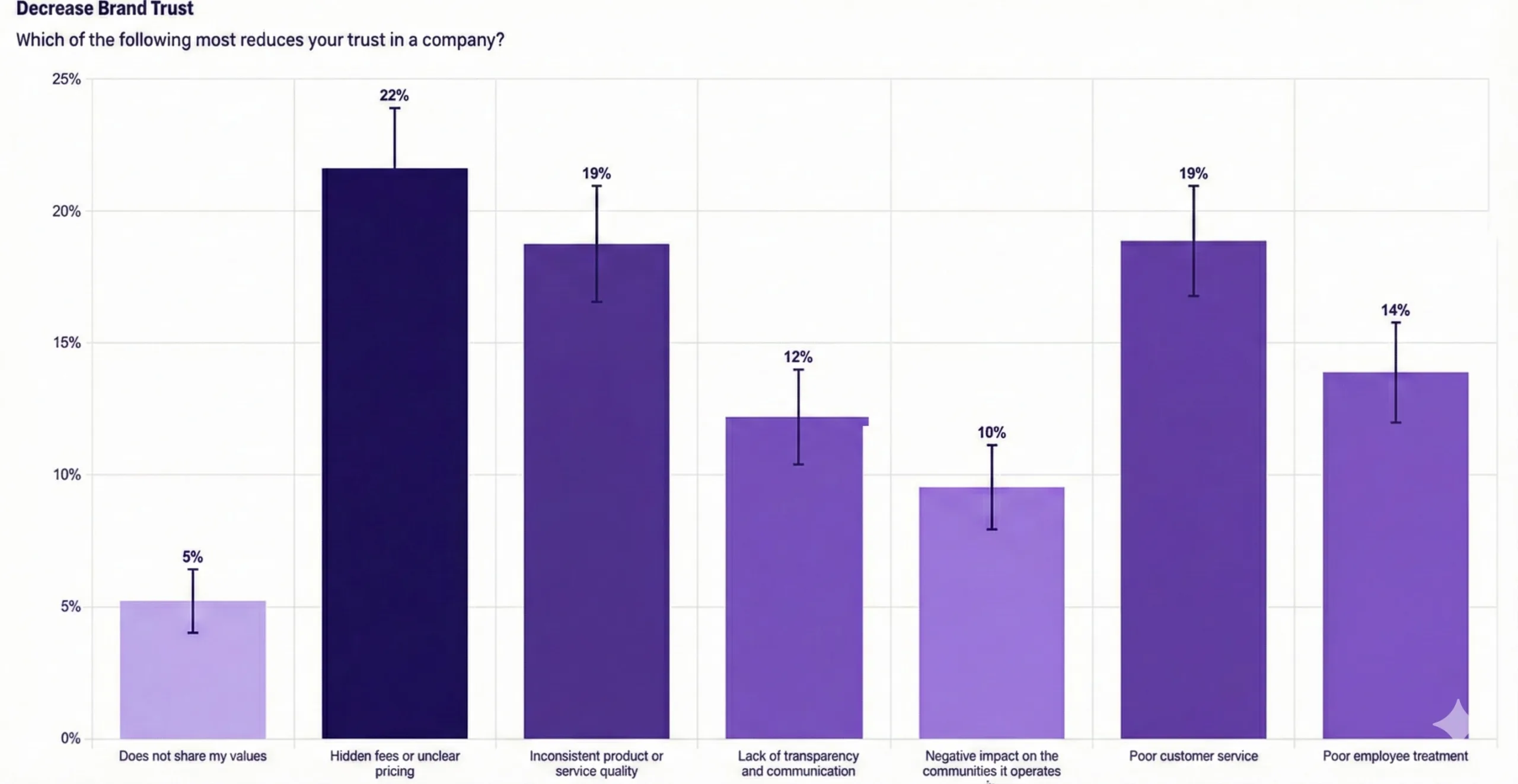
For brands looking to simultaneously improve brand trust while reducing mistrust, a focus on consistent product or service quality would be a good start. That said, 18-34-year-olds said they prioritize good customer service the most (20% vs 18% for consistent product).
Are Brands Trustworthy?
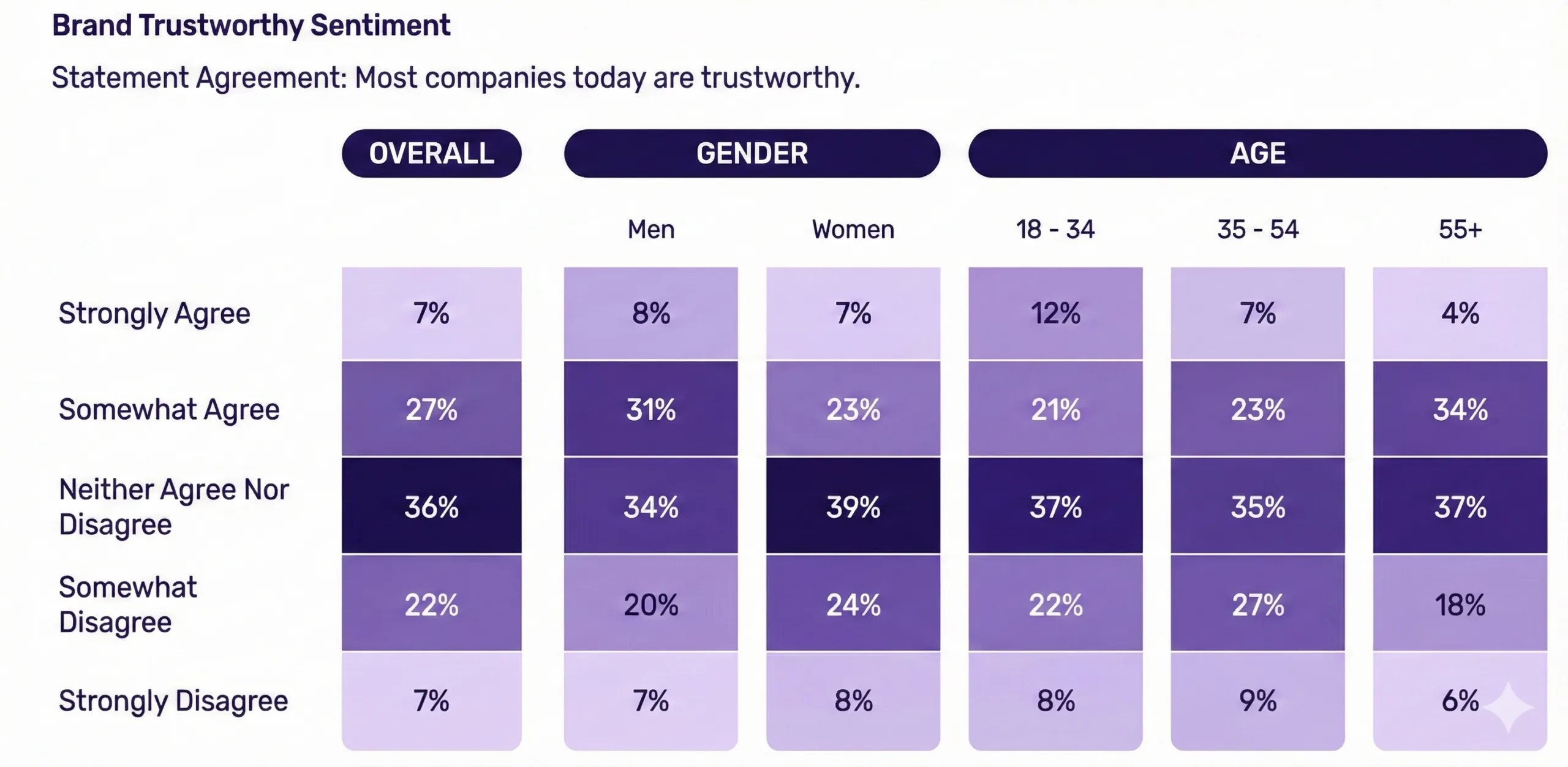
Finally, we asked people whether they felt that most companies today are trustworthy. Overall, the largest group is ambivalent (36%) about whether most brands are trustworthy, with roughly the same percentage somewhat agreeing (27%) or somewhat disagreeing (22%).
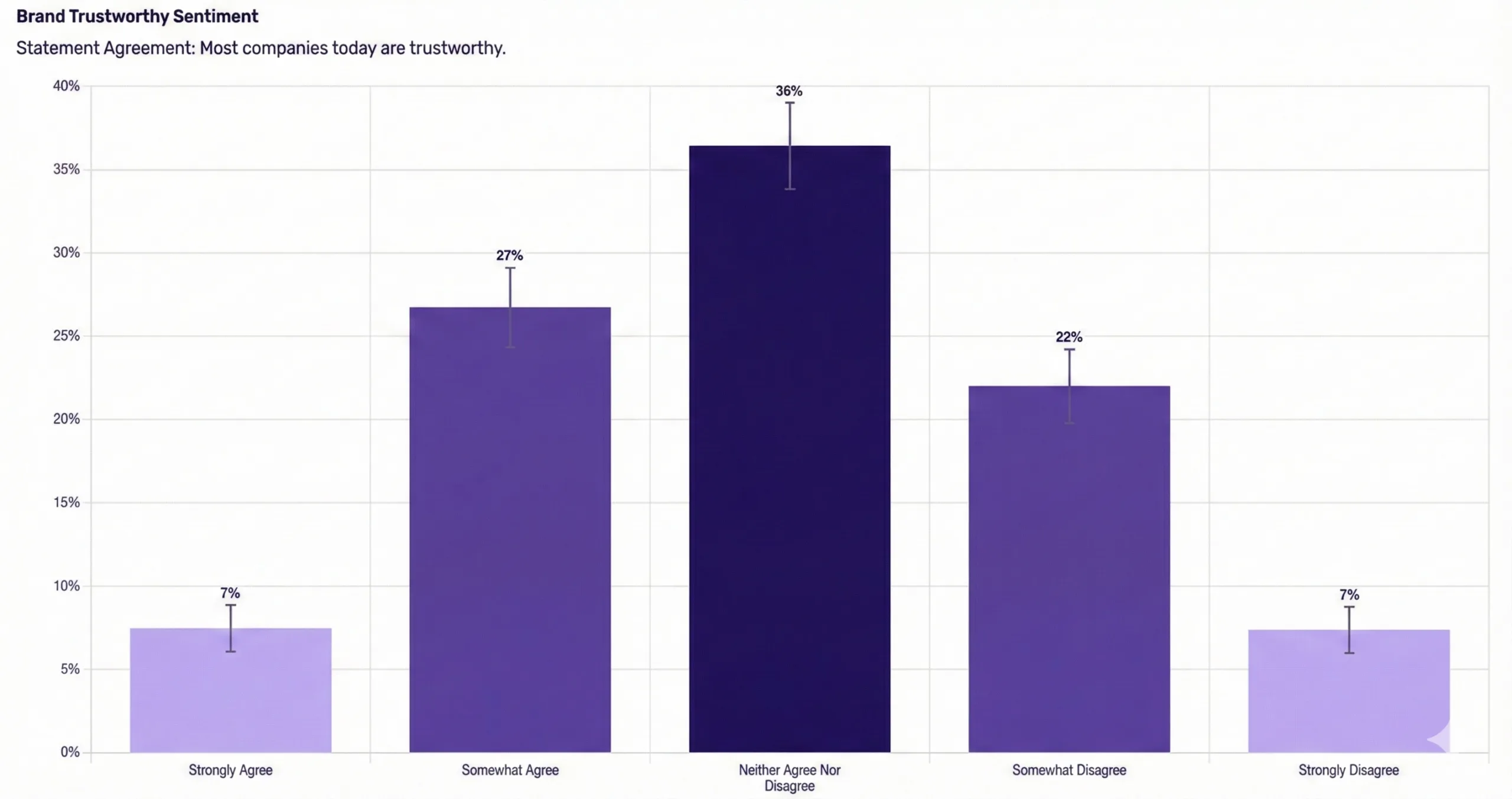
Interestingly, we see fairly similar views across subgroups such as age, gender, and income when looking at the largest segments.